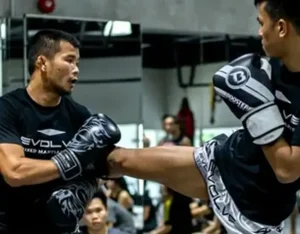
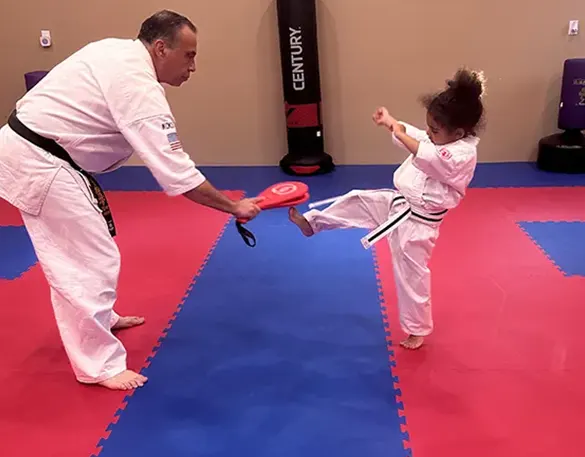
Walking to your car, taking a late shift home, or running errands with kids can all feel routine—until something feels off. Most people won’t ever need to defend themselves, but it helps to be ready in small, practical ways. Self-defense tools are not magic. They work best when you spot trouble early, keep distance, and have a plan to leave. The goal is simple: buy time and create space so you can get away and call for help. In this guide, you’ll see seven tools that are easy to carry and easy to learn. I’ll also share quick tips we teach at Cote Karate Studio so your gear and your skills support each other. Pick one, practice, and stay aware daily.
Pepper Spray Or Gel To Keep Threats At Distance
Pepper spray is easy to learn because it works from a few feet away. Most sprays use OC (oleoresin capsicum), made from hot peppers. The label may show “major capsaicinoids” (often around 1.0–1.33%); that number matters more than the Scoville rating, which is mostly marketing. Many keychain units reach about 8–12 feet.
How to carry and use it
- Keep it where your hand naturally goes (front pocket, purse outer pocket, jacket pocket).
- Aim at the eyes and nose, then move off-line and leave.
- Watch the wind; gel reduces blowback and tends to stick.
Use it only when you truly feel threatened. After spraying, don’t stand still—back up, turn, and head toward the light and people. Replace it when it expires (many are 2–4 years). If you can, buy an inert trainer and practice the thumb motion.
Personal Safety Alarm That Draws Eyes Fast
A loud alarm won’t stop every attacker, but noise changes the scene. A solid personal alarm hits about 120–140 dB, loud enough to turn heads and interrupt what’s happening. Many models use a pull-pin that locks the sound on until you reinsert it, so you don’t have to keep pressing.
When it helps
- Parking lots, stairwells, and quiet hallways
- Jogging or dog walks where you want attention fast
- At any moment, someone keeps closing the distance after you speak up
Choose one you can trigger with one hand. Check the battery type (coin cell or AAA) and test it once a month. Pair it with a simple script we teach at Cote Karate Studio: “Stop. Back up,” said early, loud, and clear, while you move toward an exit now.
Compact Flashlight With High Candela For Identification
A flashlight sounds boring until you use one at night. Light lets you see hands, check corners, and avoid bad surprises. For self-defense, candela (beam intensity) matters because it drives glare. A small light with 500–1,000 lumens and higher candela can make it hard for someone to look at you for a moment, giving you time to move.
What to look for
- A tail switch you can press without changing your grip
- A pocket clip so it stays in the same spot every day
- A rechargeable 18650 or built-in USB-C battery
Practice simple steps: light up the path, scan briefly, then keep moving. If someone approaches, light their chest/face area, step back, and create space before anything gets close. If it uses replaceable cells, keep spares at home.
Tactical Pen For Writing And Close Contact
A tactical pen is still a pen, which is why it fits into everyday life. Many are made from strong aluminum or steel and have a textured grip. Some include a blunt tip meant for car windows in an emergency. As a self-defense tool, it works like a small fist-load: it can reinforce your grip and make short strikes more effective without needing a big swing.
Safe, simple use
- Hold it like an ice pick (thumb over the top) for close-range jabs.
- Target bony areas like the back of the hand or the forearm to break a grab.
- Keep your other hand up to protect your head.
Most places treat pens as normal items, but rules can vary at airports and some venues. If you carry one, practice drawing it from your pocket and stepping back at the same time.
Kubotan Keychain Stick For Simple Grip Control
A kubotan is a short stick, usually about 5–6 inches long, that sits on a keyring. It’s small, light, and easy to hold even if your hands are sweaty. In self-defense, the kubotan helps with two main jobs: breaking a grip and guiding an arm so you can step away. Think “lever,” not “power.”
Simple ways to use it
- Clamp it across the fingers to peel open a wrist grab.
- Press the end into the forearm or hip area as you move off to the side.
- Use it as a firm handle if you’re knocked down.
Materials range from hard plastic to metal. Check local rules, since some areas treat impact tools differently. At Cote Karate Studio, we teach basic control drills that build a strong stance and quick footwork to exit the line of attack.
Folding Knife With Locking Blade Only If Legal
A folding knife is a serious tool, so it comes with real responsibility. Many people carry one for daily tasks, but using it for self-defense can raise legal and safety risks. Laws can differ by state and even by city, and rules may cover blade length, opening style, and where you can carry it. If you choose to carry a knife, treat it as a last-resort option when you cannot escape.
Features that matter
- A locking blade that won’t fold onto your fingers
- One-hand opening you can do under stress
- A pocket clip so it stays in the same place
Safe habits
- Keep your other hand out of the blade’s path.
- Don’t threaten; leave and call for help.
If you want practical self-defense, training your movement and awareness often gives you more options than a blade.
Stun Gun Option When You Can Carry
People often say “taser,” but many consumer devices are stun guns, which need direct contact. A TASER brand device fires probes; a stun gun must touch the body. The big voltage numbers on the box are not the whole story. What matters more is whether the device can deliver a brief shock that causes pain and disrupts muscle control long enough for you to move away.
If you carry one, know this:
- It works best on large muscle areas like the thigh or upper arm.
- Thick clothing can reduce contact.
- Many units have a safety switch and a wrist-strap pin; learn both.
Recharge it on a schedule and test it only as the manual allows. Laws on electric devices vary, so check local rules before buying. Use it to create space, then leave.
Carry Tools, But Train Your Body Too
Tools help, but they don’t replace good choices: notice early warning signs, keep distance, and leave before things turn physical. Pick one or two items from this list, carry them the same way every day, and practice the draw and trigger so you don’t fumble. For real skill, get coaching. Cote Karate Studio teaches Kyokushin karate and practical self-defense in Nashua, with classes focused on strong stance, clear escapes, and calm reactions. Find us at 619 South Main St., Nashua.